
Coming soon · Launch window Q1 2027; exact date not announced
UpdatedKitman Worth It? A Demo Guide Before the 2027 Release
Is Kitman worth it? Explore its free demo, solo play, four-player online co-op, and soccer club management before deciding whether to buy the full release.
Jump to
Is Kitman Worth It? Start With the Free Demo
A torn jersey and a pile of muddy cleats can turn match day into a locker-room emergency. Is Kitman worth it? If you’re asking “Is Kitman worth it?” before spending money, the free Windows demo lets you tackle the equipment jobs that keep a soccer team functioning.
Kitman puts you in charge of the club’s backrooms. You clean gear, repair uniforms, prepare players, and deal with requests while the team gets the glory. The appeal comes from connecting those ordinary chores to something larger: keeping a club ready to compete.
The demo is available, while the full game is scheduled for Q1 2027. That makes this a useful moment to test the routine and decide whether you want more of it.
| Detail | Kitman |
|---|---|
| Developer | Outlier |
| Publisher | Daedalic Entertainment |
| Platform | Windows |
| Full-game release window | Q1 2027 |
| Free demo release | October 8, 2026 |
| Player count | 1–4 |
| Multiplayer mode | Online co-op |
The demo introduces the story and the first few matches of the league season. It takes place in a single environment, with club customization, team outfitting, equipment upgrades, and facilities to unlock.
Start with the free Kitman demo on Steam. Play through its match preparation and live requests before deciding whether the full game belongs on your wishlist.
Pay attention to your reaction when another dirty shirt arrives. Does it feel satisfying to restore order, or do you immediately want to escape the laundry room? That reaction tells you something useful about the game’s central appeal.
What You Actually Do in Kitman
Your work starts with the essentials: players need usable uniforms and footwear. A shirt needs its number, cleats need cleaning, and damaged clothing needs repair. Keeping everyone equipped means moving between workstations and returning the right items to the right players.
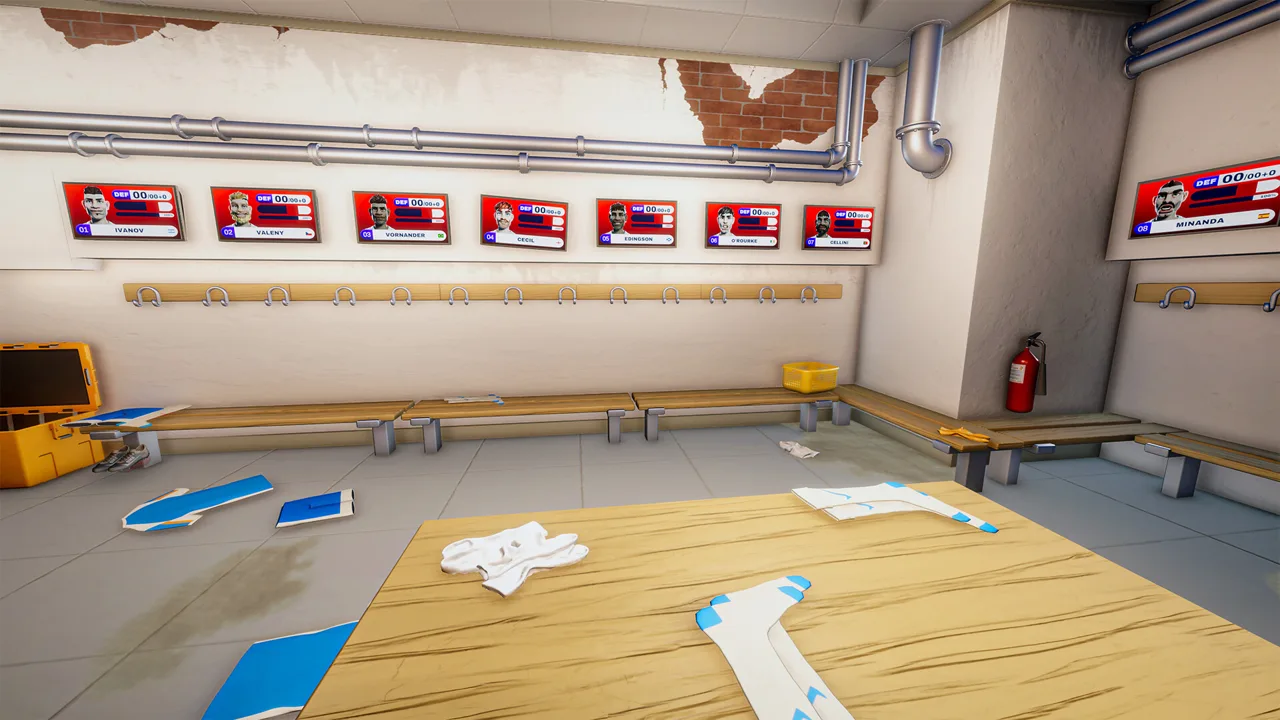 Image: Steam / Outlier
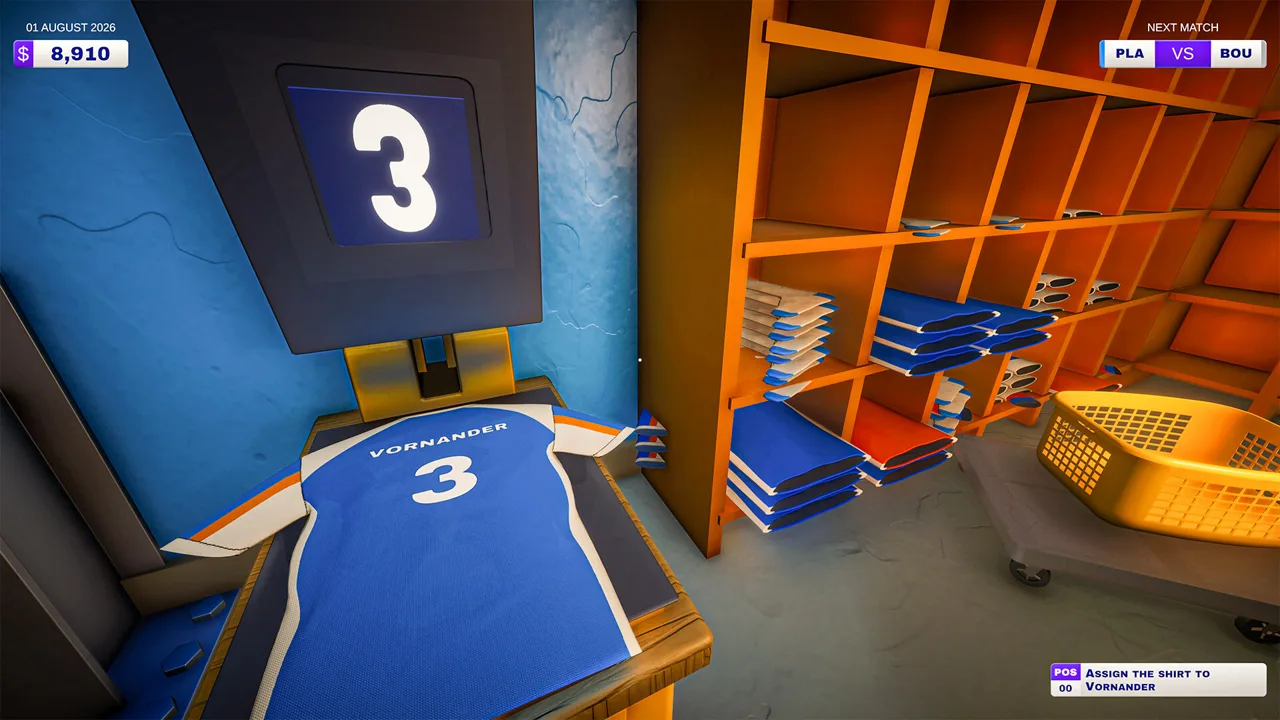
The playtest build includes hands-on jobs such as using a heat press for shirt numbers, scrubbing footwear, washing clothing, and sewing torn kit. These tasks give the backroom work a physical routine rather than reducing everything to a management menu.
| Job | What it involves |
|---|---|
| Clean footwear | Scrub dirt from the team’s soccer boots |
| Prepare jerseys | Apply shirt numbers with a heat press |
| Repair uniforms | Sew damaged shirts and shorts |
| Wash clothing | Clean dirty kit and return it |
| Supply equipment | Deliver items such as socks and training bibs |
| Prepare refreshments | Keep energy drinks available for players |
That routine becomes more demanding when requests overlap. A player needs clean footwear, another needs a repaired shirt, and somebody else has forgotten a training bib. The challenge is deciding what to handle while keeping track of unfinished work.
The playtest build distinguishes important requests in red and optional requests in blue. Prioritize the red requests, then use spare time for the optional jobs. Avoid spending your attention on an extra task while essential equipment still needs work.
Follow each item through its whole journey. Collect it, complete the relevant cleaning or repair, and return it to the correct player. Check shirt numbers when sorting uniforms so a finished jersey reaches its intended locker.
For the “Kitman worth it” question, this repeated cycle matters more than the unusual premise. Cleaning one pair of cleats is a novelty; handling equipment requests across several matches is the activity you need to enjoy.
Watch the sewing and cleaning interactions closely during the demo. Decide whether you enjoy performing the jobs themselves, alongside the satisfaction of completing them. A soccer setting can draw you in, but the workstation tasks occupy your hands.
Match Preparation Adds Decisions Beyond Cleaning
Kitman also connects equipment work to team preparation. Available resources, player fitness, and kit quality all belong to the club’s backroom responsibilities. You are maintaining a squad as well as a room.
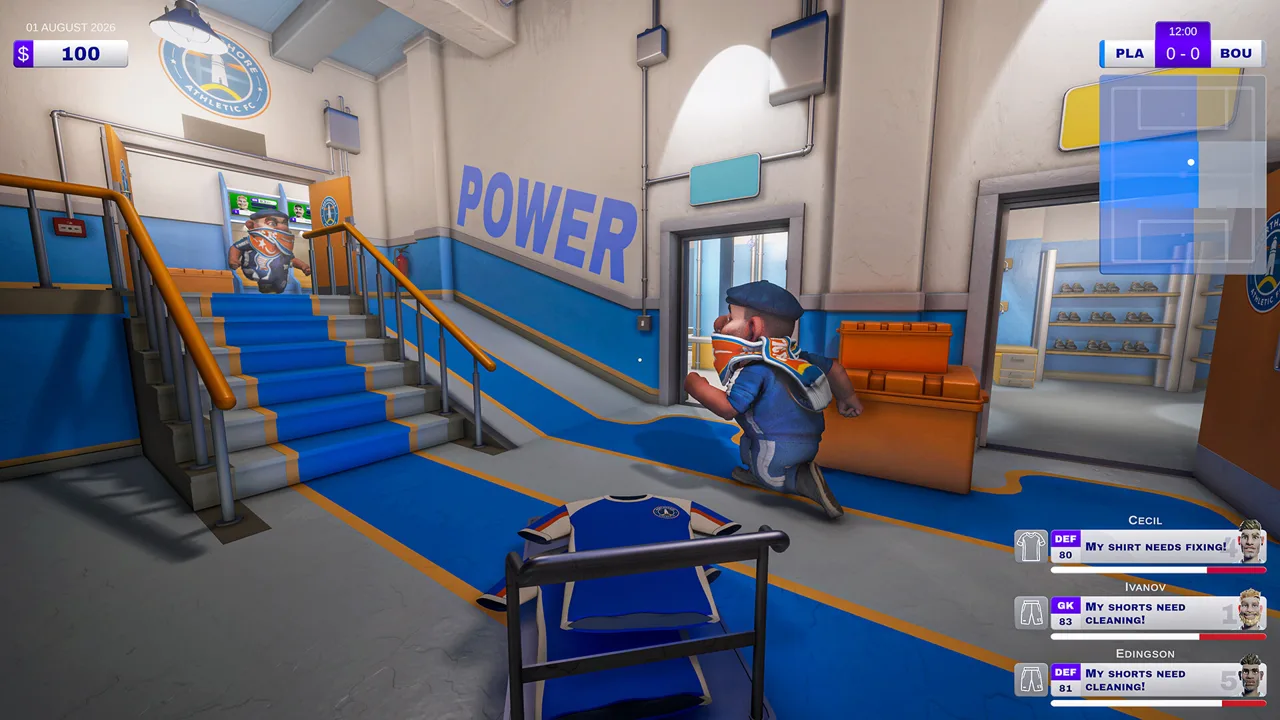 Image: Steam / Outlier
The playtest build includes equipment with different quality levels and stat bonuses. Its shop offers items such as upgraded socks and shirts, while consumables provide another way to prepare players. This adds purchasing and distribution decisions to the cleaning routine.
Check a player’s existing equipment before buying a replacement. Compare the displayed bonuses and decide where an upgrade would address a team objective. Keep the squad’s basic equipment needs in view while shopping for something special.
Home and away matches also place different demands on the kitman. Home matches involve reacting to requests as they arrive, while away matches emphasize preparation. Use the pre-match period to check players’ equipment and assign consumables.
| Situation | Backroom responsibility | Preparation tip |
|---|---|---|
| Home match | Respond to equipment problems during play | Complete important requests before optional ones |
| Away match | Prepare the team’s kit and consumables | Check player equipment before kickoff |
| Equipment shopping | Purchase items with different qualities and bonuses | Compare upgrades with what players already wear |
| Team preparation | Manage resources and player fitness | Review team objectives before distributing gear |
These decisions give “Kitman worth it” more substance than a simple cleaning-game comparison. There is a connection between the workbench, the locker, and the team’s readiness.
The demo also includes access to the manager’s office, where you can alter tactics and formation. The full game’s club-management features include scouting talent, choosing a starting lineup, and planning how the team plays.
Explore the manager’s office when it becomes accessible. Look at how tactical decisions fit alongside your equipment duties. If the office interests you but the cleaning feels tiresome, weigh how much of your session you spend doing each activity.
Club progression gives those duties a longer-term purpose. Kitman’s full-game premise takes a small club through the leagues, with club upgrades and advanced equipment helping you manage the workload. Character customization and backroom decorations add ways to make the space your own.
Solo Play and Online Co-op Change How You Divide the Work
Both the demo and full game support solo play and online co-op for up to four players. You can manage the club alone or bring up to three friends into the backrooms.
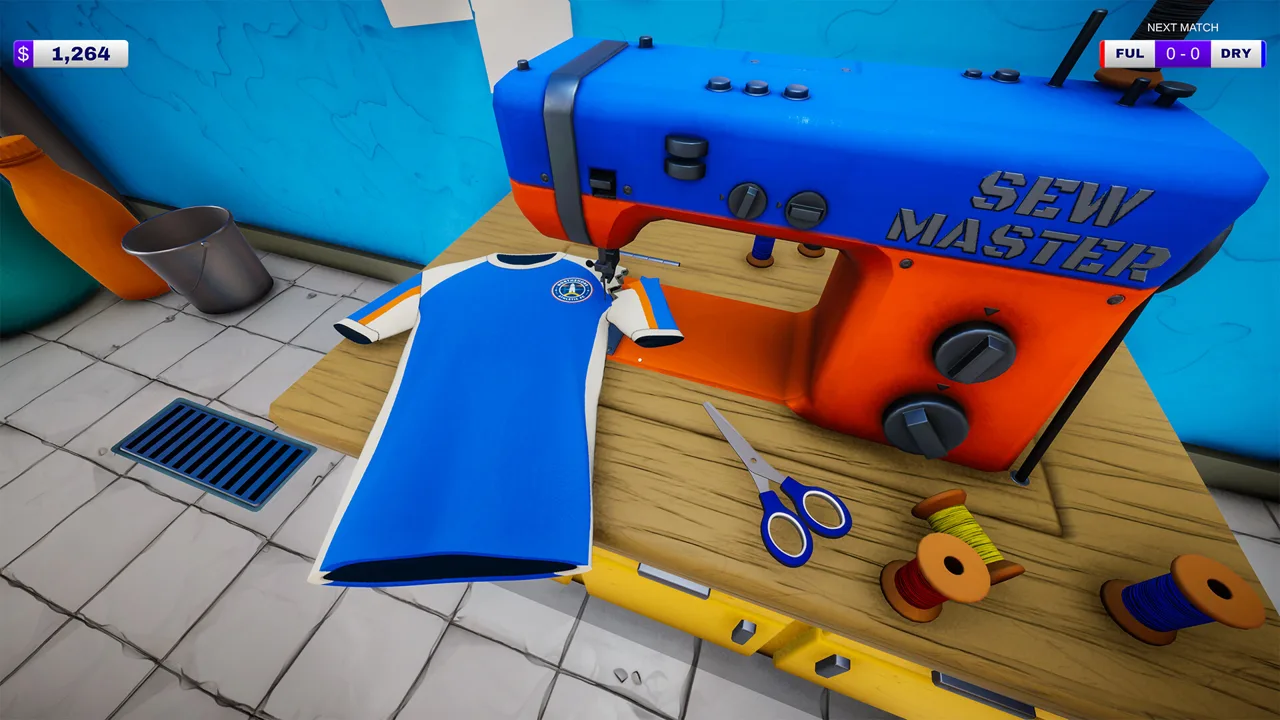 Image: Steam / Outlier
Playing solo puts all the equipment work in your hands. You collect items, move between stations, track requests, and prepare the squad. It makes the entire sequence visible because you are responsible for every part of it.
In co-op, you can share those responsibilities. Divide cleaning, repairs, and deliveries among the group, then adjust as requests arrive. Call out who has collected an item before another player heads off to handle it.
| Setup | How to organize the session |
|---|---|
| Solo | Track unfinished items and handle important requests first |
| Two players | Split workstation tasks and equipment deliveries |
| Three players | Divide cleaning, repairs, and player requests |
| Four players | Share stations and deliveries, then redistribute work as needed |
Those arrangements are starting points for your own coordination. Switch responsibilities when someone has a backlog instead of sticking to a role throughout the match.
For a group asking “Is Kitman worth it?”, test the demo together. The jobs involve enough movement between players and equipment stations to make communication relevant. Try handing off an item between collection, repair, and delivery, and see whether your group enjoys that shared routine.
Use clear descriptions when calling out jobs: the player, the item, and what still needs doing. “This jersey needs its number” is more useful than a vague request for help.
Kitman’s humor also runs through the workplace. Players act entitled, the manager needs help, and the person keeping everything together gets little appreciation. In the playtest build, retreating to the janitor’s closet after a home match makes that joke particularly pointed.
Decide whether that thankless-job comedy works for you. It accompanies the chores rather than removing them, so enjoying both the attitude and the routine matters.
What to Evaluate Before Buying the Full Game
The demo gives you several parts of the game to assess: manual chores, match-day requests, equipment purchases, club customization, and access to tactical controls. It also includes unlockable facilities such as washing machines, electric ball pumps, and vending machines.
Work through those additions instead of stopping after the opening tutorial. Compare how you feel about the routine as the backroom gains equipment and your responsibilities expand.
Keep the demo’s scope in mind: it covers the story introduction and early league matches in one environment. Use that slice to judge the core activities. The full game’s Q1 2027 release is a separate buying decision.
To make “Kitman worth it” a practical question, focus on these checks during your session:
- Finish several matches. Experience the repeated preparation and request cycle.
- Use the repair stations. Decide whether sewing and cleaning remain enjoyable beyond their introduction.
- Compare equipment bonuses. Explore how shopping fits into team preparation.
- Visit the manager’s office. Try the tactics and formation controls available in the demo.
- Play online with your intended group. Test whether sharing jobs makes the routine enjoyable for everyone.
Avoid judging everything by a single hectic stretch. Include preparation time in your assessment, since Kitman combines reacting to immediate problems with getting the squad ready beforehand.
Likewise, look beyond an easy match when deciding whether you enjoy the workload. A sequence of overlapping requests gives you a clearer test of sorting equipment, choosing priorities, and finishing jobs under pressure.
The “Kitman worth it” decision also depends on what draws you to soccer games. Here, you influence the club through equipment, fitness management, and tactical responsibilities. Your hands-on action happens around the stadium’s backrooms.
Think about whether that role interests you enough to repeat it. There is a specific satisfaction in taking a torn, dirty, incomplete uniform and getting its owner ready to play again. Make that satisfaction part of your buying decision.
Try the demo now, then revisit the Kitman full-game page on Steam as its release approaches. Base your purchase on how much you want to return to the locker room after the demo’s matches are over.
FAQ
Is Kitman worth it before the full game launches?
The free demo lets you evaluate its equipment chores, early matches, upgrades, and online co-op before buying. Play through the match cycle and explore the manager’s office to decide whether you want a longer club-management experience.
When does Kitman release?
Kitman’s full game is scheduled for Q1 2027 on Windows. The free Windows demo was released on October 8, 2026.
Can you play Kitman alone or with friends?
Yes. Kitman supports solo play and online co-op for up to four players. The demo also lets you play alone or invite up to three friends.
What does the Kitman demo include?
The demo includes the story introduction, the first few league matches, club customization, team outfitting, and equipment upgrades. It uses one environment and includes unlockable facilities such as washing machines, electric ball pumps, and vending machines, plus manager’s-office access for tactics and formation changes.
Join the community
Official channels for news, updates and player help: